Moscow Metro Upgrades Transit Infrastructure with New Contactless Payment Terminals
By Lauren Towner · 25 August 2026
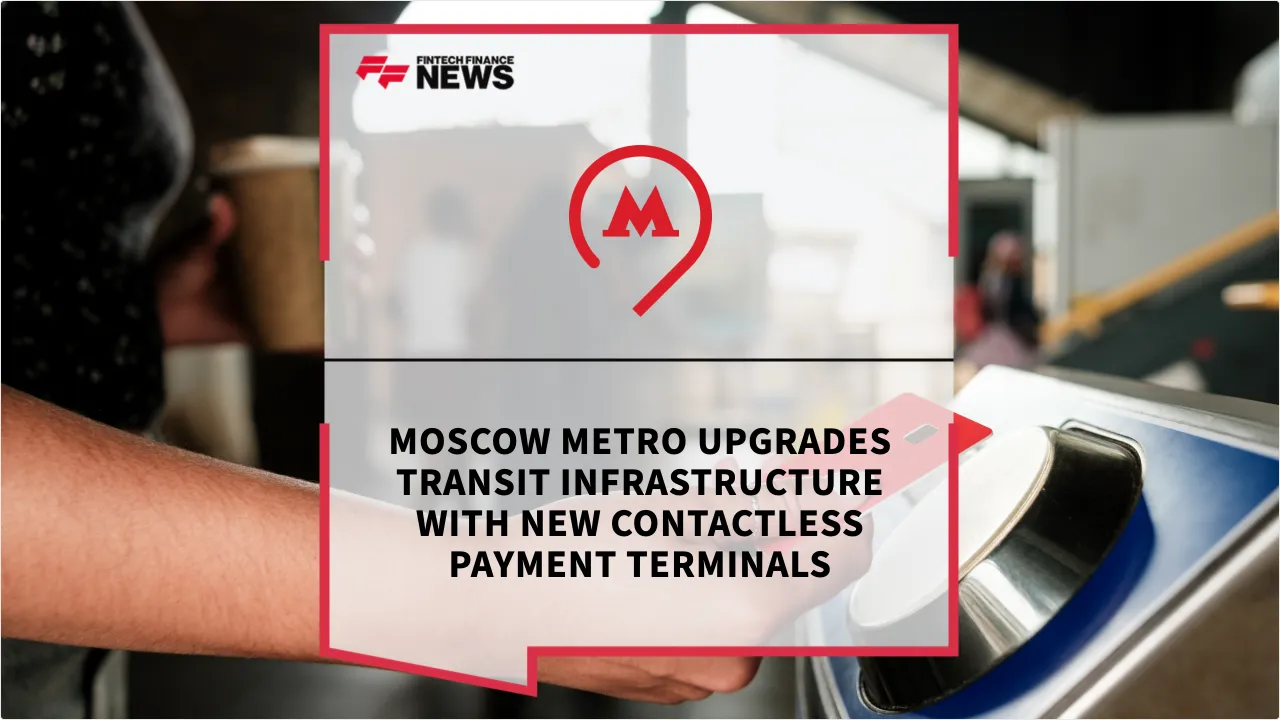
The Moscow Metro has initiated a large-scale rollout of new payment terminals across its transit network, a move that signals a significant shift toward hardware modernization in one of the world’s busiest transport hubs. For fintech professionals, this deployment represents a major upgrade in contactless infrastructure, streamlining mobile and card-based transactions for millions of daily commuters.
What was announced
The Moscow Metro is deploying advanced hardware terminals designed to support a broader spectrum of payment methods. The primary focus of this modernization initiative is to enhance the passenger experience by facilitating faster, more reliable transactions at the point of entry. These new terminals are specifically engineered to handle contactless bank cards and mobile device payments, reducing friction for both local residents and international visitors.
Margarita Aleshina, Head of the International Relations Department at Moscow Metro, confirmed that the update is part of a strategic effort to maintain the system's standing as a global leader in transit technology. While the specific technical specifications of the individual hardware units remain under the purview of the international relations office, the scope of the rollout covers the extensive network of the Moscow Metro. This initiative follows a pattern of high-tech integration within the city's infrastructure, moving away from legacy ticketing systems toward a fully digital, interoperable payment environment. The department is currently engaging in international outreach to share these transit innovations with a global audience, seeking to benchmark its hardware performance against other major metropolitan systems.
"We are very glad to have the opportunity to cooperate with you! We are looking forward to further deepening our cooperation. If you publish our news, we will be very happy."
Margarita Aleshina, Head of the International Relations Department of the Moscow Metro.
The companies involved
The Moscow Metro is the primary rapid transit system serving the capital of Russia and its neighboring suburbs. As a state-owned enterprise, it operates one of the most heavily used metro systems in the world, renowned for its architectural heritage and, increasingly, its aggressive adoption of financial technology. The organization manages a vast ecosystem that includes not only the physical rail infrastructure but also the complex clearing and settlement systems required to process millions of fares daily.
In recent years, the Moscow Metro has positioned itself as a testing ground for urban mobility solutions. It operates independently of a corporate parent, functioning as a central pillar of the city's Department of Transport. The entity has consistently sought to export its technological frameworks, such as its proprietary ticketing solutions, to other regions. By controlling both the infrastructure and the payment gateways, the Moscow Metro maintains a unique position in the market, allowing it to implement system-wide hardware upgrades more rapidly than transit authorities that rely on fragmented third-party vendors.
What FF News has reported before
FF News has closely monitored the digital transformation of the Russian capital’s transit network. We previously covered the organization’s efforts to broaden its reach in Moscow Metro Expands Troika Card Ecosystem with New International Partnerships, which detailed how the system is integrating its local payment cards with foreign transit networks. Additionally, our report on Moscow Metro Expands Biometric Payment System for Seamless Commuter Travel highlighted the system's move toward "Face Pay" and other biometric identifiers, illustrating a long-term commitment to removing physical barriers in the payment process.
What this means
This hardware refresh places significant pressure on other global transit hubs to match the speed and variety of Moscow’s payment acceptance. As commuters increasingly demand "open-loop" systems - where any bank card can serve as a ticket - transit authorities that remain tethered to proprietary closed-loop cards risk obsolescence. The move to upgrade physical terminals suggests that even as biometric and mobile payments grow, the underlying hardware must be robust enough to handle high-throughput, multi-modal authentication. The industry must now consider whether the future of transit lies in specialized hardware or if the market will eventually shift toward software-based "tap-to-phone" solutions that bypass traditional turnstile terminals entirely.
Companies in this story: Moscow Metro
People in this story: Margarita Aleshina